*The information provided in this blog is general in nature and should not be considered medical advice. Individual conditions vary, and proper evaluation is important. To receive accurate diagnosis and treatment, we encourage you to book an appointment with our experienced medical team.

Performance Anxiety vs. Physical Erectile Dysfunction: How to Tell the Difference
Erectile difficulties can be frustrating. When you are unable to hold an erection, it could either be a psychological episode or something could be physically wrong with you. You really are not able to tell the difference. So, who would you visit, a therapist or a doctor?
You’re not alone in this dilemma. The physical and psychological are so well intertwined that it’s almost impossible to separate the two. Anxiety triggers physical symptoms, and the presence of physical symptoms causes anxiety. The chicken-or-egg situation often blinds at the beginning. Where did it all start?
Here are some self-diagnostic tips that can help you tell the difference between psychological and physical symptoms.
Self-Identification
Ruling Out The Obvious
The easiest way to determine whether your ED is due to physical symptoms or mental stress is to check whether you can achieve an erection when you masturbate, when you wake up, or when you get an erection at random times. If so, you are most likely struggling with your partner. In this case, psychology is playing a major role in the dysfunction. The physical is functioning, but the context points towards relationship dynamics, mental disturbance, and anxiety.
Gradual or Sudden
Check if the onset of the problem was after a stressful event or a poor sexual experience. It could happen that you are in a new relationship or are undergoing a major life-altering event. All these suggest psychological causes. The body was apparently fine until either of these events occurred. If the decline was gradual over time, it could be that a physical factor has affected you, especially if it is followed by low libido or less firm erections, or if you have been affected by another health issue.
Consistency
If erections fail in certain situations or when you change partners (Where you get an erection with one partner but not with the other), it points to a psychological symptom. Physical ED is non-prejudiced. It doesn’t matter who you are with. In this case, you are checking for situational triggers.
Overall Health
Chances are, your cardiovascular health has been affected. Vascular problems often crop up with ED before they show up as heart symptoms. This is because the blood vessels are smaller in the penis than those in the heart. The risk factors also include diabetes, high blood pressure, being overweight, high cholesterol, heavy smoking and drinking, a sedentary lifestyle and being over the age of 50. You will require medical attention regardless of psychological factors if you have several cardiovascular risks and ED that is gradually worsening.
Medications
Erections can also be affected by certain medications. These could include meds for blood pressure, including older ones like beta-blockers, antidepressants with SSRIs, antihistamines, and anxiety meds, all of which are contributors to physical ED. You must, however, speak to your doctor if you must stop any medications.
Performance Anxiety
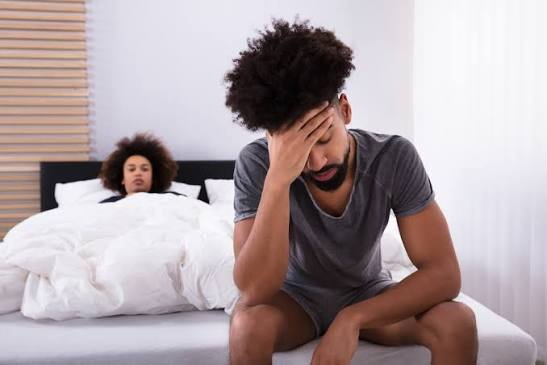
- A big trigger, performance anxiety, has a cycle:
- The first failure is triggered by stress, fatigue or alcohol, and nothing is obvious.
- The next time, the failures start creating a pattern of worry.
- During another encounter, the worry interferes with arousal.
- Fear and anxiety are confirmed when there is additional failure.
- The cycle repeats itself and keeps intensifying.
- The fear of failure evolves into the cause of failure. This is also the trademark of performance anxiety. Your mind seems to get in the way, even if your body is capable.
Signs of Anxiety
- When things seem to get to intercourse, erection (which otherwise begins well) fades away.
- Self-evaluation and a consistent prediction of failure: your mind races with these thoughts.
- There’s a lot of physical tension, and you are unable to relax; you hold your breath, clench your muscles, etc.
- When this pressure is removed, your erection returns; this is when the pressure to perform is removed
- In newer situations or with new partners, your ED tends to get worse.
- When anxiety is reduced after a drink or two, you feel better.
Patterns of Physical ED
ED, with physical symptoms, looks different. Their causes are also related to diabetes, neurological conditions, vascular disease, effects of medications, low testosterone, post-surgery, etc.
- You have erection difficulty across all contexts, whether with partners, alone or even in the morning.
- Erection quality gradually declines over time.
- There are fewer morning erections, and they also become less spontaneous.
- Besides, the erections seem softer than usual.
- Fatigue, weight gain, reduced libido, and other associated physical symptoms are noticed.
The Reality
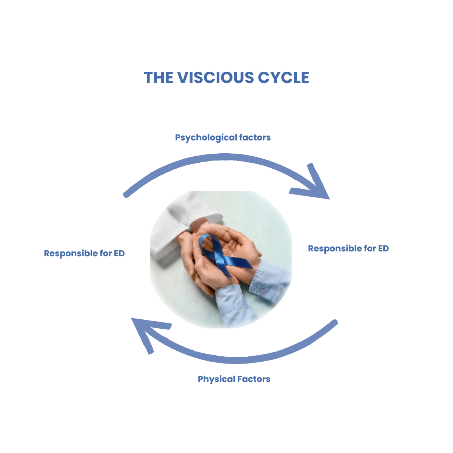
Unfortunately, ED is not completely psychological or physical. It is a combination of the two. Anxiety piles up on the physical component. When a man sees that his erections are not what they used to be, he could start worrying about it, which makes matters worse. That is why it is a physical and a psychological issue. Pure psychological ED can bring about anxiety and create a physiological interference. This causes chronic stress, which in turn affects the nervous system, blood flow and hormones. That is why the treatment is not about determining the single cause but about understanding the combination of factors involved and addressing them accordingly.
Urogen ED Whitby
Urogen Whitby brings the unique Wave Therapy, which is a non-invasive, effective way of treating ED. The clinic aims to manage the core of the issue rather than just addressing the basic symptoms. Using mild acoustic waves, the therapy improves blood flow, helping men achieve firmer, longer-lasting erections. The treatment is absolutely drug-free and does not involve any side effects. The treatment can be administered to individuals of any age. This is one of the most effective and best alternatives to ED medications. If you are seeking to address the true cause of your dysfunction instead of running around in circles, then this is the therapy for you.
FAQs:
The easiest way to determine if your ED is a result of psychological or physical causes is to observe your erections. When do they occur, and what situation are you in?
Of course. There are certain antidepressants, beta-blockers and anxiety medications that cause ED.
When ED is a result of vascular disease, neurological conditions, low testosterone, diabetes and other associated conditions, then your ED is considered physical.
The reality is that ED is neither fully psychological nor is it completely physical. It is a combination of the two where one affects the other.
Urogen ED Whitby offers a drug-free and non-surgical option using the Wave Therapy. Speak with our medical professionals today to develop a plan.
About the Author

Medical Disclaimer: This blog is provided for informational and educational purposes only and should not be considered medical advice, diagnosis, or treatment recommendations. The content represents general information about benign prostatic hyperplasia and related conditions based on medical knowledge and clinical experience, but every patient’s situation is unique. Prostate conditions can be serious and require proper medical evaluation and treatment. Do not use this information to self-diagnose or self-treat.
Always consult with a qualified healthcare provider, preferably a urologist, for proper evaluation, diagnosis, and treatment recommendations specific to your individual health situation. Treatment options, risks, benefits, and outcomes vary significantly between patients based on age, overall health, prostate size, symptom severity, and other medical conditions.
Medications mentioned carry specific risks and side effects that must be discussed with your doctor. Delaying proper medical care for prostate conditions can lead to serious complications, including kidney damage, bladder damage, urinary retention, and other health problems. If you experience inability to urinate, blood in urine, severe pain, or other urgent symptoms, seek immediate medical attention. This content does not create a doctor-patient relationship.